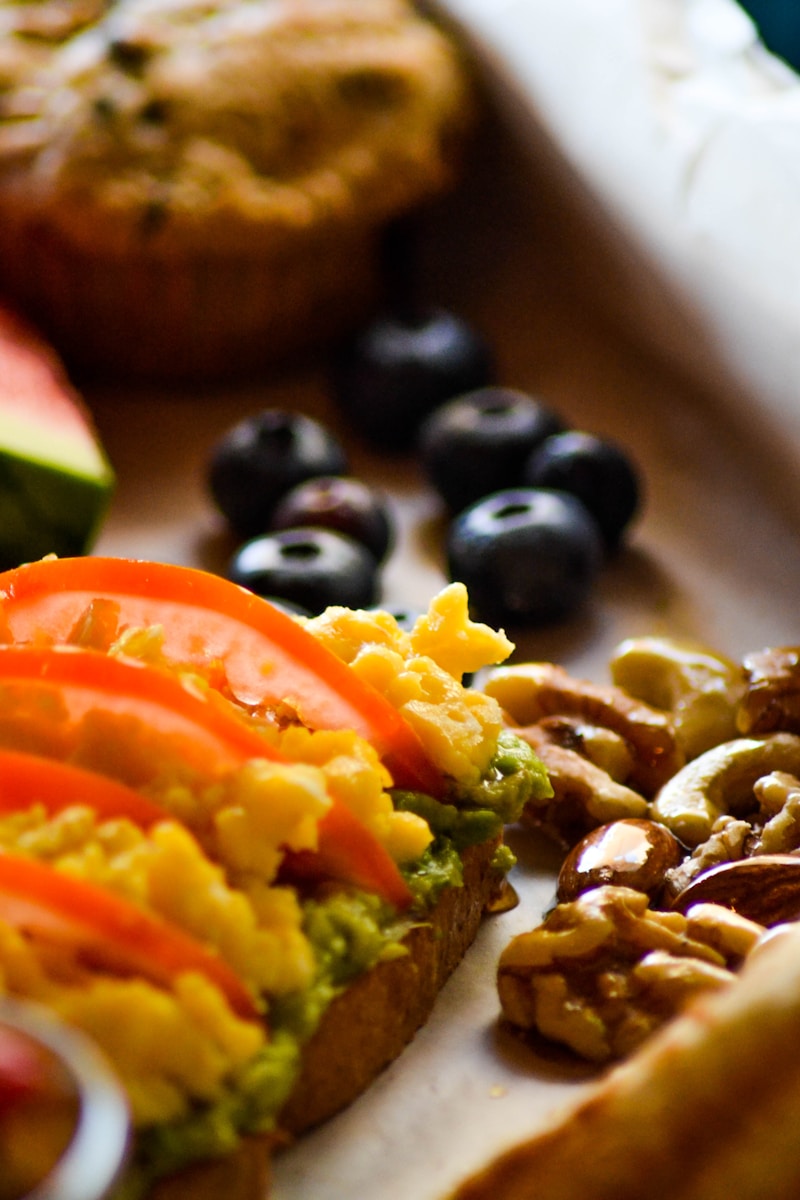
You can’t “hack” desire with a single superfood, but the way you eat absolutely shapes your sex drive. Energy, hormones, mood, and blood flow all show up in the bedroom. The good news: a smart mix of whole foods can support nitric oxide (for circulation), steady hormones, and a more responsive nervous system, without gimmicks. Here’s how to use food to nudge desire in the right direction, plus the 10 best libido-boosting foods to keep in rotation.
How Food Influences Libido: Nutrients, Hormones, And Blood Flow
Libido is a composite signal from your brain, blood vessels, and hormones. Food interacts with each of these.
- Hormone building blocks: Sex hormones (like testosterone and estrogen) are synthesized from cholesterol and require micronutrients such as zinc, vitamin D, B vitamins, and magnesium. Too little protein or essential fats, or a chronic calorie deficit, can suppress hormone production and blunt desire.
- Blood flow and nitric oxide: Arousal depends on healthy blood vessels. Nitrates (from beets and leafy greens) and amino acids like L‑citrulline/L‑arginine (from watermelon and nuts/seeds) help your body produce nitric oxide, which relaxes blood vessels for better circulation.
- Neurotransmitters and mood: Chocolate’s cocoa polyphenols, oily fish’s omega‑3s, and fermented foods for gut health can influence dopamine and serotonin signaling, mood makers that affect sexual interest.
- Metabolic stability: Wild swings in blood sugar leave you sluggish and irritable. Fiber, protein, and healthy fats help you avoid crashes that drain energy and lower desire.
- Inflammation and oxidative stress: Antioxidant-rich foods (berries, pomegranate, cocoa) help protect blood-vessel lining (endothelium). Healthier endothelium supports a more reliable response.
None of this is instantaneous. Think in weeks, not hours. But the cumulative effect of better circulation, balanced hormones, and a calmer nervous system is noticeable.
The 10 Best Libido-Boosting Foods
1) Oysters (and other zinc-rich shellfish)
Oysters top the list for a reason: they’re loaded with zinc, a mineral essential for testosterone production, egg quality, and overall reproductive health. Low zinc is linked with reduced libido and impaired fertility. If you don’t eat shellfish, consider lean beef, pumpkin seeds, or chickpeas as backup options. For reference on zinc’s role, see the NIH’s zinc fact sheet.
2) Fatty fish (salmon, sardines, mackerel)
Omega‑3 fats support flexible blood vessels and lower inflammation, great for arousal and stamina. Fatty fish also supply vitamin D, which correlates with sex hormone function and mood. Aim for 2 servings per week. The American Heart Association outlines broader cardiovascular benefits that translate to better sexual blood flow.
3) Dark chocolate (70%+ cocoa)
Cocoa flavanols can enhance endothelial function and nitric oxide activity, supporting healthy circulation. The bonus? Chocolate may bump up feel‑good neurotransmitters and reduce stress hormones a touch. Keep portions modest (about 1 oz) to avoid sugar overload. Research on cocoa and blood vessel health is growing: see summaries such as this review on cocoa flavanols and vascular function.
4) Watermelon
Watermelon is rich in L‑citrulline, an amino acid your body converts into L‑arginine and then nitric oxide, helping relax blood vessels. You won’t get a drug‑like effect, but regular intake can complement an overall pro‑circulation diet (especially before exercise).
5) Pomegranate (juice or arils)
Pomegranate is dense with polyphenols that protect the endothelium from oxidative stress. Small studies suggest pomegranate juice may support erectile function and mood. Choose 100% juice in small servings or sprinkle arils over yogurt or salads for fiber.
6) Beets
Beets and beet juice are nitrate powerhouses. Your body converts nitrates into nitric oxide, which widens blood vessels. Many athletes use beet juice for performance: arousal benefits piggyback on the same pathway. Roast them, blend into smoothies, or sip a small pre‑workout shot.
7) Leafy greens (spinach, arugula)
Spinach, arugula, and Swiss chard deliver nitrates, magnesium, folate, and vitamin C, nutrients tied to hormone balance and blood flow. Arugula even appears in historical “aphrodisiac” lists: the modern reason: it’s nitrate‑rich and easy to pair with citrus and olive oil for absorption.
8) Nuts and seeds (walnuts, almonds, pumpkin seeds)
Walnuts bring ALA omega‑3s: almonds deliver vitamin E: pumpkin seeds add zinc and magnesium. Together they support hormone synthesis, endothelial function, and steadier blood sugar. Stick to a small handful, roughly 1 oz, to get benefits without a calorie bomb.
9) Avocado
Monounsaturated fat helps you absorb fat‑soluble vitamins and supports hormone production. Avocados also provide potassium and folate for nerve conduction and circulation. Spread on whole‑grain toast with chili flakes or tuck into salads for satiety and stable energy.
10) Saffron
This fragrant spice has human trials suggesting benefits for sexual function and arousal in both men and women, especially when stress plays a role. Use it in rice, seafood, or saffron‑yogurt sauces. For an evidence overview, see this saffron research review.
How To Build A Libido-Friendly Plate
Start with everyday meals that keep energy steady, promote circulation, and lower stress. Then layer in the “hero” foods above.
- Anchor your protein: Include 20–40 grams per meal from fish, eggs, Greek yogurt, tofu, or legumes. Protein stabilizes blood sugar and provides amino acids for hormones and neurotransmitters.
- Add color for polyphenols: Think berries, pomegranate arils, tomatoes, red cabbage, and dark leafy greens. These compounds protect your endothelium, the gateway to better arousal.
- Choose smart fats: Olive oil, avocado, nuts, seeds, and fatty fish aid hormone production and nutrient absorption.
- Don’t forget carbs (the right ones): Whole grains, beans, and starchy veggies supply fiber for gut health and slow‑release energy. A calmer gut often means a calmer mind.
- Season with purpose: Saffron, garlic, ginger, chili, and cocoa powder add antioxidant power and culinary spark. A little heat can lift your mood and your meal.
- Hydrate: Even mild dehydration can sap energy and make arousal feel out of reach. Water, herbal tea, or a beet‑citrus spritzer work well.
Sample meal ideas
- Breakfast: Greek yogurt parfait with pomegranate arils, walnuts, and a sprinkle of dark chocolate shavings: side of green tea.
- Lunch: Arugula‑beet salad with salmon, avocado, pumpkin seeds, and lemon‑olive oil dressing. Whole‑grain bread on the side.
- Dinner: Saffron tomato‑seafood stew with spinach: watermelon‑mint salad for a fresh, citrulline‑rich finish.
Smart Pairings, Portions, And Timing For Better Results
You’ll squeeze more from libido-boosting foods when you combine them thoughtfully and time them around movement and sleep.
- Pair for absorption and effect:
- Fat + fat‑soluble nutrients: Olive oil on greens helps you absorb vitamins A, E, and K.
- Vitamin C + plant iron: Citrus with leafy greens boosts iron uptake, supporting energy.
- Nitrates + exercise: A serving of beets or arugula 60–90 minutes before a workout can enhance nitric oxide production and blood flow, benefits that spill over into the bedroom.
- Polyphenols + meals: Have dark chocolate or pomegranate alongside meals to temper blood sugar spikes.
- Keep portions in the “sweet spot”:
- Dark chocolate: about 1 oz.
- Nuts/seeds: a small handful (1 oz).
- Pomegranate juice: 4–6 oz, or choose whole arils for fiber.
- Fatty fish: 2 servings weekly.
- Mind your timing:
- Aim for your richest meal at least 2–3 hours before intimacy so digestion doesn’t compete with arousal.
- Go easy on alcohol: it can lower arousal and performance even though short‑term disinhibition.
- Prioritize sleep. Even one short night can dampen testosterone and libido the next day.
Who Should Be Cautious And When To See A Professional
Food isn’t a replacement for medical care, and a few situations call for extra caution.
- Heart and metabolic health: Persistent erectile dysfunction can be an early sign of vascular disease. If erections have been unreliable for 3+ months, check in with your clinician. The Cleveland Clinic notes ED often precedes cardiovascular issues.
- Medications and interactions:
- Warfarin or other anticoagulants: Keep vitamin K intake from leafy greens consistent.
- ED medications + nitrates: Don’t combine prescription PDE5 inhibitors with nitrate medications. Dietary nitrates from beets and greens are generally safe, but discuss your overall regimen with your provider.
- Blood sugar meds: Fruit juices (like pomegranate) can spike glucose: favor whole fruit.
- Allergies and intolerances: Shellfish (oysters), fish, nuts, and seeds are common allergens. GERD can flare with spicy foods, citrus, or chocolate, adjust to your tolerance.
- Pregnancy and TTC: Choose low‑mercury fish (salmon, sardines) and avoid high‑mercury species. Discuss supplements (like saffron capsules) with your OB, but culinary amounts of saffron are typically used safely in cooking.
- Mental health and hormones: Low mood, high stress, thyroid issues, and low testosterone/estrogen can all blunt desire. If your libido has dropped suddenly, or if you notice fatigue, hair changes, irregular cycles, or low morning erections, a professional workup is wise.
A registered dietitian or a clinician specializing in sexual medicine can personalize your plan and coordinate it with medication or therapy when needed.
Conclusion
There’s no magic appetizer for desire. But when you eat for steady energy, resilient blood vessels, and calmer hormones, libido often follows. Build your plate around protein, colorful plants, and smart fats. Then weave in standouts like oysters, fatty fish, dark chocolate, watermelon, pomegranate, beets, leafy greens, nuts and seeds, avocado, and saffron.
Give it a few weeks, pair the food strategy with movement and sleep, and pay attention to what actually makes you feel good, physically and emotionally. If something feels off, loop in a pro. Otherwise, enjoy the side effect of nourishing your body well: you’ll likely feel more present, responsive, and ready when the moment’s right.
Frequently Asked Questions
What are the best libido-boosting foods to naturally increase desire?
Top libido-boosting foods include oysters, fatty fish, dark chocolate (70%+), watermelon, pomegranate, beets, leafy greens, nuts and seeds, avocado, and saffron. Together they support nitric oxide for blood flow, hormone synthesis, mood, and metabolic steadiness—key drivers of arousal and sexual interest.
How long do libido-boosting foods take to work?
Expect weeks, not hours. Consistent intake improves circulation, balances hormones, and steadies energy. Aim for 2 fatty-fish servings weekly, small daily portions of nuts, greens, beets or arugula several times weekly, and modest dark chocolate. Pair with sleep and movement for the most noticeable lift in desire.
What’s the best way to build a libido-friendly plate?
Anchor 20–40 g protein per meal, add colorful polyphenol-rich plants (berries, pomegranate, leafy greens), choose smart fats (olive oil, avocado, nuts), include slow carbs (whole grains, beans), season with saffron/garlic/ginger, and hydrate. This combo steadies blood sugar, supports hormones, and improves blood flow.
When should I eat libido-boosting foods for best results?
Have nitrate-rich beets or arugula 60–90 minutes before workouts to amplify nitric oxide benefits. Keep your richest meal 2–3 hours before intimacy so digestion doesn’t compete with arousal. Favor small, balanced portions, limit alcohol, and consider dark chocolate or pomegranate alongside meals to blunt blood sugar spikes.
Are there foods that can lower libido I should limit?
Yes. Heavy alcohol can blunt arousal and performance. Ultra-processed, high-sugar foods drive energy crashes and mood dips. Diets very low in calories or fat may suppress sex hormones. Trans fats and poor vascular health impede blood flow. Prioritize whole foods, steady meals, sleep, and stress management.
Do supplements like maca or fenugreek boost libido?
Evidence is mixed and often small-scale. Maca shows modest improvements in sexual desire in some studies; fenugreek may aid male libido via saponins. Quality and dosing vary, and interactions are possible. Food-first strategies are safer; if considering supplements, discuss with a clinician, especially if pregnant or on medications.
 using WordPress and
No responses yet