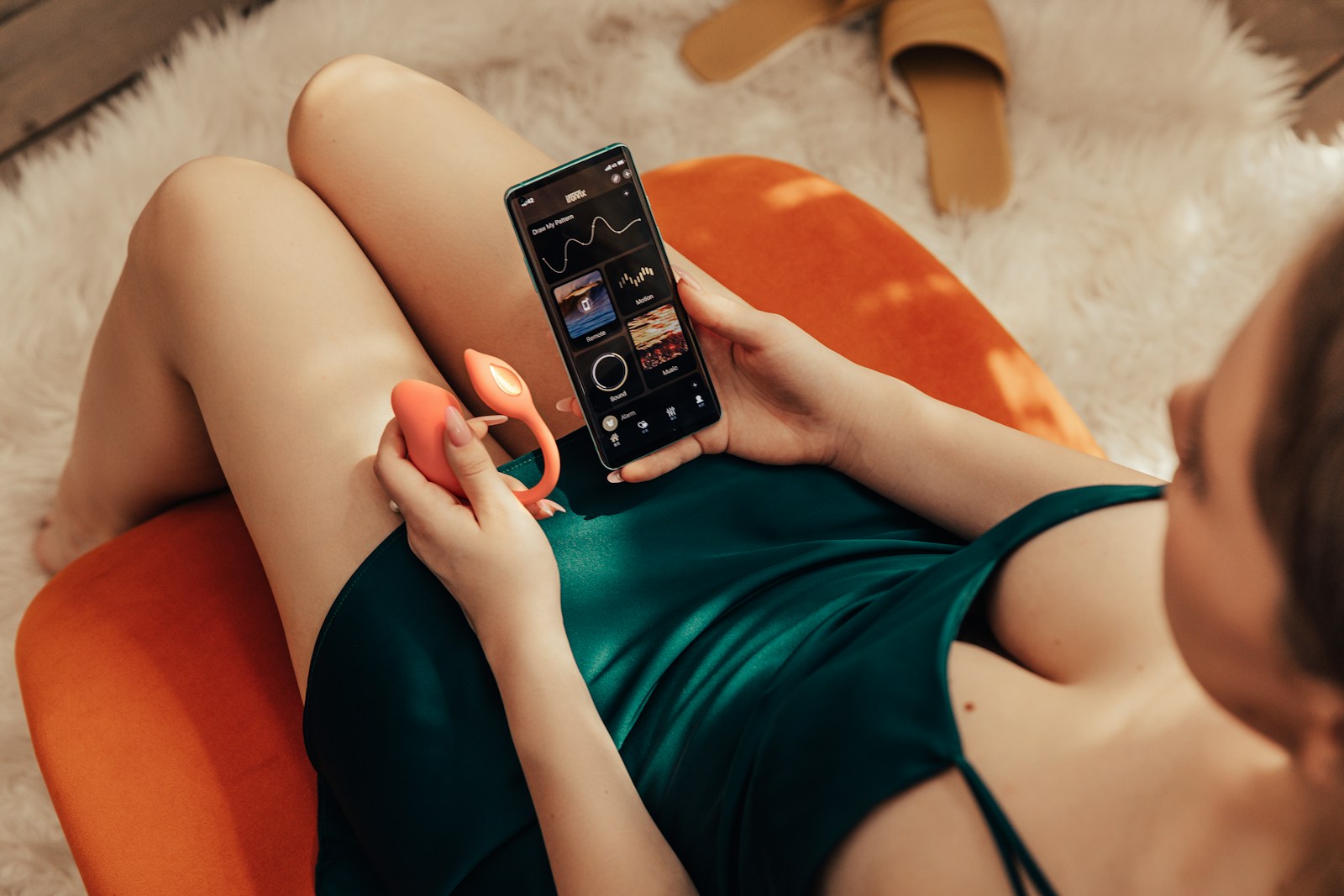
If you’ve been wondering how to increase sensitivity, so you can feel more, enjoy more, and connect more, you’re in the right place. Sensitivity isn’t just about nerve endings: it’s about your nervous system, your pacing, your touch variety, and the environment that surrounds you. When you stack these factors in your favor, your body responds with richer sensations and deeper arousal. Below are five pro strategies, grounded in physiology and practice, to help you elevate physical intimacy without gimmicks or pressure.
Regulate Your Nervous System For Receptivity
Slow Breathing And Downshifting From Stress
Sensitivity thrives when your body feels safe. If you’re stressed or rushing, blood flow redistributes, muscles brace, and your brain prioritizes vigilance over pleasure. Before intimacy, spend two to five minutes downshifting your nervous system.
- Try a 4-6 breath: inhale through your nose for a count of 4, exhale slowly for 6–8. Longer exhales cue your vagus nerve, dialing down sympathetic arousal.
- Add a soft gaze or closed eyes. Let your jaw hang slightly and tongue rest on the floor of your mouth, tiny signals to your brain that it’s okay to unwind.
- Place a hand over your heart and another on your lower belly. Breathe into your hands and feel the abdomen expand. This anchors attention in your body rather than in looping thoughts.
Even one minute helps. You’re not trying to “relax on command,” just nudging your system toward receptivity so arousal can build instead of stall.
Savor Tempo And Mindful Attention
Sensations amplify when you give them your full attention. Slowing down lets your brain map touch with more resolution. Choose one simple focus for 60–90 seconds: the warmth of skin, the glide of breath across your lips, the feeling of your chest lifting. When your mind wanders, guide it back without judgment. The goal is savoring, not performance. Ironically, the less you try to force sensation, the more it blossoms.
Take More Time To Build Arousal
Warm-Up Sequence And Non-Genital Touch
Think of arousal like preheating an oven: you get better results when you don’t rush. Start with a warm-up that targets large, less sensitive areas first. Back of the shoulders, scalp, arms, thighs, anywhere that feels safe and easy. Use broad, slow strokes, then gradually narrow your focus. Non-genital touch lowers defensiveness and invites your nervous system to say yes.
Follow the body’s natural arc: warmth, connection, anticipation, then intensity. If you’re with a partner, check in with simple cues: “Slower, faster, lighter, firmer?” If you’re solo, notice which areas wake up your body and linger there. This gentle ramp-up builds blood flow and primes nerve pathways, which directly increases sensitivity.
Edging And Wave-Based Pacing
Instead of racing toward climax, ride waves. Build arousal to a 6 or 7 out of 10, then deliberately downshift, pause, breathe, change stroke, or switch to stillness. When you let the wave recede and rebuild, you recruit more circulation and heighten awareness. This is edging in practice, and it turns linear arousal into a layered experience.
Use timing cues: 60–120 seconds of stimulation, 20–40 seconds of pause or lighter touch. As you repeat cycles, the peaks get higher and the valleys feel richer, often leading to more powerful orgasms, or simply a deeper sense of pleasure, regardless of whether you climax.
Expand Your Touch Vocabulary
Sensate Focus And Body Mapping
If you always touch the same way, your nervous system will habituate. Sensate focus, borrowed from sex therapy, asks you to explore without a goal. For 10–15 minutes, map your body’s responses. What happens when you trace the edges of your ribcage or the crease of your hip? Which spots wake up with feather-light strokes vs. slow pressure? Label your discoveries: warm, tingly, dull, electric. Share them with a partner or keep notes for yourself.
This curious, nonjudgmental exploration restores novelty. It also teaches your brain to allocate more attention (and hence sensitivity) to areas you might have overlooked.
Pressure, Rhythm, And Texture Variations
Touch has three main dials: pressure, rhythm, and texture. Most people overuse pressure and ignore the other two. Rotate through:
- Pressure: skim, glide, medium press, sink-and-hold.
- Rhythm: steady, syncopated, stop–start, crescendos.
- Texture: fingertips, full palm, knuckles, forearm: bare skin vs. cloth: dry vs. lubricated.
Change only one dial at a time and observe what magnifies sensation. Slowing the rhythm while keeping pressure consistent can be surprisingly potent. And don’t underestimate stillness, holding, breathing, and waiting can make the next touch feel twice as intense.
Boost Blood Flow And Pelvic Awareness
Pelvic Floor Coordination And Relax–Contract Cycles
Sensitivity depends on circulation and nerve signaling, both of which improve when your pelvic floor is coordinated, not just strong. Many people clench by default, which reduces blood flow and dulls sensation. Practice two to three sets of relax–contract cycles:
- Inhale and fully release the pelvic floor (imagine your sit bones widening and your tailbone dropping). On the exhale, gently contract as if stopping urine flow. Hold for 2–3 seconds, then release completely.
- Aim for 6–10 gentle reps per set. The quality matters more than force. If you notice tension in your jaw, shoulders, or glutes, you’re over-recruiting.
These cycles act like a pump, increasing engorgement and responsiveness. Over time, you’ll also gain better control over arousal intensity and pacing.
Movement, Heat, And Lubrication
Movement is medicine for blood flow. Hip circles, cat–cow, squats, or a short walk before intimacy can wake up your pelvis. Heat also helps: a warm bath, heated blanket, or even a hot shower softens tissues and invites vasodilation.
Don’t skip lubrication. Even if you’re naturally wet or erect, a quality lube reduces friction and lets you play with lighter, more nuanced touch, often the key to feeling more. Choose water-based for versatility, silicone for longevity and extra slip (avoid silicone lube with silicone toys), or a body-safe oil if you prefer warmth and glide. The right lube can instantly increase sensitivity by allowing subtler strokes to register.
Optimize Your Environment And Inputs
Reduce Numbing Factors (Alcohol, Overstimulation)
If you want to know how to increase sensitivity right away, look at what’s dulling it. Alcohol may lower inhibition but it also blunts nerve responsiveness, delays orgasm, and dries tissues. Similarly, high-intensity porn or rapid-fire scrolling can condition your brain to need more novelty and speed to feel much. Try a reset: go tech-light for an hour before intimacy, keep alcohol low or skip it, and let your senses recalibrate.
Caffeine late in the day can jitter your system into a heady arousal that doesn’t translate to bodily sensation. Heavy meals pull blood to digestion. Small tweaks, lighter dinners, more water, and a buffer between screens and sex, can pay off quickly.
Set The Scene: Lighting, Sound, Temperature
Your sensory field is your amplifier. Tailor it to your body’s preferences, not a movie set.
- Lighting: dim, warm light relaxes your startle response. Candles or a low lamp work better than bright overheads.
- Sound: choose music that supports the pace you want. Slow beats encourage slower touch and deeper breaths: silence can sharpen subtle sounds and sensations.
- Temperature: cool air with warm blankets is a great combo. When your skin meets warmth, you’ll register touch more vividly. If you run cold, pre-warm the room and the bed. If you run hot, use a fan for airflow.
Small environmental upgrades reduce distractions and send a quiet message to your nervous system: you’re safe here: you can feel more.
Conclusion
Sensitivity isn’t a mystery trait you either have or don’t. It’s a trainable state. When you regulate your nervous system, take your time, diversify touch, increase blood flow, and shape your environment, you stack the deck for heightened physical intimacy. Start with one lever, maybe slower breathing, or a 10-minute warm-up, and notice what changes. Then layer in edging, texture play, or a lube that lets you go lighter. With practice, you’ll experience more nuance and depth, and your body will learn that pleasure is a place it can trust. That’s the real secret to how to increase sensitivity, consistent cues of safety, curiosity, and time.
Frequently Asked Questions
What is the quickest way to increase sensitivity before intimacy?
Downshift your nervous system for 2–5 minutes. Try a 4–6 breath (inhale 4, exhale 6–8), soften your gaze, relax your jaw and tongue, and place a hand on your chest and belly. This cues safety, boosts blood flow, and primes your body for richer sensation.
How to increase sensitivity using touch variety without overstimulating?
Expand your touch vocabulary. Rotate one dial at a time—pressure (skim to sink-and-hold), rhythm (steady to stop–start), or texture (fingertips, palm, fabric, lube). Slow the rhythm while keeping pressure consistent. Add stillness and breath. This novelty prevents habituation and heightens sensitivity.
Does edging really increase sensitivity and orgasm intensity?
Yes. Build arousal to about 6–7/10, then pause or switch to lighter touch for 20–40 seconds before rebuilding for 60–120 seconds. These wave cycles recruit circulation, sharpen awareness, and often produce higher peaks or deeper pleasure, whether or not you climax.
What role does lubrication play in increasing sensitivity?
Lube reduces friction so lighter, more nuanced touch registers clearly. Water-based is versatile, silicone offers long-lasting slip (avoid with silicone toys), and body-safe oils add warmth and glide. Even if you’re naturally lubricated or erect, the right lube can instantly make subtler sensations easier to feel.
How long does it take to notice increased sensitivity from these methods?
Some changes are immediate—breathwork, slower tempo, and environment tweaks can heighten sensation in minutes. Pelvic floor relax–contract cycles and touch mapping usually build results over 2–4 weeks of consistent practice. Progress compounds: layer techniques gradually and track what amplifies pleasure for you.
Can alcohol, stress, or medications reduce sensitivity?
Yes. Alcohol blunts nerve responsiveness and can dry tissues; stress diverts blood flow and increases muscle bracing. Certain medications—like SSRIs, some antihistamines, and blood pressure drugs—may dampen arousal or sensation. If meds seem impactful, consult your clinician about timing, dosage, or alternatives.
 using WordPress and
No responses yet